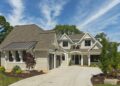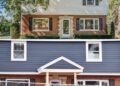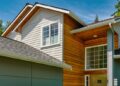

Delve into the world of vinyl siding prices with a comprehensive look at the factors influencing costs, the different types available, installation considerations, and long-term maintenance expenses. Get ready to uncover the secrets behind the average price of vinyl siding in this intriguing discussion.
Factors affecting the average price of vinyl siding
When considering the average price of vinyl siding, it is important to take into account various factors that can influence the overall cost. These factors include the quality of the materials used, the complexity of installation, and the location where the siding is being installed.
Impact of Material Quality
The quality of the vinyl siding material plays a significant role in determining its price. Higher quality materials are often more durable, have better insulation properties, and come in a wider range of styles and colors. As a result, higher quality vinyl siding tends to be more expensive than lower quality options.
It is important to consider the long-term benefits of investing in higher quality materials, as they can provide better protection and improve the overall aesthetic of your home.
Installation Complexity
The complexity of the installation process can also affect the average price of vinyl siding. Factors such as the size and shape of the house, the presence of obstacles like windows or doors, and the need for additional preparation work can all impact the cost of installation.
More complex installations may require more time and labor, resulting in higher overall costs. It is essential to consult with a professional installer to get an accurate estimate based on the specific requirements of your home.
Location Influence
The location where the vinyl siding is being installed can also influence the price. Factors such as local labor costs, building codes and regulations, and climate conditions can all impact the overall cost of the project. For example, areas with higher labor costs or stricter building codes may have higher overall prices for vinyl siding installation.
Additionally, regions with extreme weather conditions may require additional measures to ensure the siding is properly installed and insulated, leading to increased costs.
Types of vinyl siding available in the market
Vinyl siding comes in various styles and textures, each offering unique features and benefits. Understanding the different types available can help you make an informed decision when choosing the right siding for your home.
Common Styles and Textures
- Horizontal Lap Siding: This is the most common style of vinyl siding, mimicking the look of traditional wood siding with overlapping horizontal boards.
- Vertical Siding: Vertical panels offer a modern and sleek appearance, ideal for contemporary homes or accent walls.
- Shake and Shingle Siding: These styles replicate the look of cedar shakes or shingles, adding texture and visual interest to your home.
- Board and Batten Siding: Featuring wide vertical boards with narrow strips (battens) covering the seams, this style provides a rustic charm.
Insulated vs. Non-Insulated Vinyl Siding
Insulated vinyl siding has a layer of foam insulation attached to the back of each panel, providing added energy efficiency and impact resistance. Non-insulated siding, on the other hand, lacks this extra layer.
- Insulated Vinyl Siding:
Pros: Increased energy efficiency, better impact resistance, reduced noise transmission.Cons: Higher initial cost, limited color options, potential for moisture retention.
- Non-Insulated Vinyl Siding:
Pros: Lower initial cost, more color options, easier installation.Cons: Lower energy efficiency, less impact resistance, increased noise transmission.
Installation costs and labor considerations
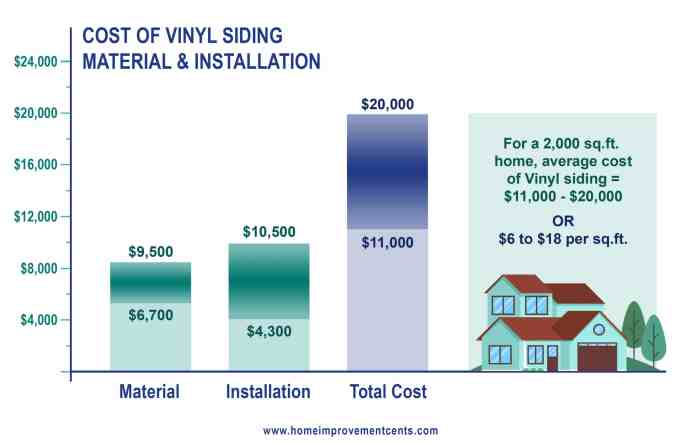
When it comes to installing vinyl siding, labor costs play a significant role in determining the overall price.
Breakdown of labor costs
- On average, labor costs for vinyl siding installation can range from $1 to $3 per square foot.
- This cost can vary depending on the complexity of the project, location, and the experience of the contractor.
Role of additional materials and tools
- In addition to labor costs, additional materials such as nails, caulk, and underlayment are essential for the installation process.
- The tools required for the job, such as a hammer, tape measure, and utility knife, also contribute to the overall pricing.
Factors affecting labor costs
- Complexity of the project: Intricate designs or hard-to-reach areas may require more time and expertise, increasing labor costs.
- Location: Labor rates can vary based on the region, with urban areas typically having higher costs compared to rural areas.
- Contractor experience: Highly experienced contractors may charge more for their expertise, while less experienced ones may offer lower rates.
Maintenance and long-term expenses associated with vinyl siding
Maintaining vinyl siding is essential to ensure its longevity and appearance. Regular cleaning and inspections can help prevent damage and costly repairs in the long run.
Maintenance Requirements for Vinyl Siding
- Regularly clean siding with a mild detergent and water to remove dirt, mold, and mildew.
- Inspect for cracks, chips, or loose panels and repair or replace as needed.
- Trim trees or bushes near siding to prevent damage from branches rubbing against it.
- Check for signs of moisture or water infiltration to avoid mold growth.
Impact of Maintenance on Overall Cost
Proper maintenance can significantly impact the overall cost of owning vinyl siding. By investing time and effort in regular upkeep, homeowners can avoid costly repairs and premature replacement of siding panels. Neglecting maintenance can lead to more significant issues that may require professional intervention, adding to the long-term expenses.
Potential Repair Costs and Their Impact on Average Price
- Repairing small cracks or chips can cost between $100 to $400, depending on the extent of the damage.
- Replacing damaged panels may range from $200 to $1,000, including materials and labor.
- Addressing significant issues like water damage or mold infestation can escalate repair costs substantially.
Ultimate Conclusion
In conclusion, the average price of vinyl siding is a multifaceted topic that involves various factors such as material quality, installation costs, and long-term maintenance expenses. By understanding these elements, you can make informed decisions when it comes to investing in vinyl siding for your property.
FAQ Overview
What factors can affect the average price of vinyl siding?
Material quality, installation complexity, and location are key factors that can influence the cost of vinyl siding.
What are the differences between insulated and non-insulated vinyl siding?
Insulated vinyl siding provides better energy efficiency but comes at a higher cost compared to non-insulated siding.
How does maintenance impact the overall cost of owning vinyl siding?
Regular maintenance can help prolong the lifespan of vinyl siding and reduce the need for costly repairs in the long run.