
Siding and brick exterior set the stage for a captivating narrative, offering readers a detailed look at the fusion of these materials in architectural design. From the durability of brick to the versatility of siding, this topic delves into the marriage of aesthetics and functionality.
As we explore the characteristics, benefits, and installation process, readers will gain a deeper understanding of how siding and brick can transform the facade of any building.
Siding and Brick Exterior Overview
When it comes to exterior wall materials, siding and brick are two popular choices that offer unique characteristics and benefits.
Characteristics of Siding and Brick Exteriors
- Siding: Typically made of vinyl, wood, fiber cement, or metal, siding is known for its versatility in terms of colors, textures, and styles. It is lightweight and easy to install, making it a popular choice for many homeowners.
- Brick: Brick exteriors are durable and have a classic, timeless look. They offer excellent insulation properties and are resistant to fire, pests, and rot. Bricks come in various colors and sizes, allowing for customization in exterior design.
Benefits of Using Siding and Brick for Exterior Walls
- Siding: Provides a cost-effective way to enhance the curb appeal of a home while offering protection against the elements. It requires minimal maintenance and can be easily replaced or repaired if damaged.
- Brick: Offers superior longevity and durability, requiring little maintenance over time. It also provides excellent thermal mass, helping to regulate indoor temperatures and reduce energy costs.
Comparison of Durability
While both siding and brick exteriors are durable, brick is known for its exceptional longevity and resistance to various environmental factors. Siding may require more frequent maintenance and replacement compared to brick.
Aesthetic Appeal of Combining Siding and Brick
Combining siding and brick in exterior design can create a visually appealing contrast that adds depth and texture to a home's facade. This combination allows for creative customization and can enhance the overall curb appeal of the property.
Types of Siding Materials
When it comes to siding materials for your home, there are several options to choose from, each with its own unique characteristics and benefits.
Vinyl Siding
Vinyl siding is one of the most popular choices due to its affordability and low maintenance requirements. It comes in a wide range of colors and styles, making it versatile for various architectural designs.
Fiber Cement Siding
Fiber cement siding is known for its durability and resistance to rot, fire, and pests. While it may have a higher upfront cost compared to vinyl, it requires minimal maintenance and can last for decades.
Wood Siding
Wood siding provides a natural and timeless look to your home. It can be painted or stained in different colors, offering a customizable aesthetic. However, wood siding may require more maintenance to prevent rot and insect damage.
Brick Veneer Siding
Brick veneer siding gives a classic and elegant appearance to your home. It is durable and requires little maintenance. While brick veneer siding may have a higher initial cost, it can increase the overall value of your property.
Cost-Effectiveness Comparison
- Vinyl siding tends to be the most cost-effective option upfront, with lower installation costs and minimal maintenance expenses over time.
- Fiber cement siding may have a higher initial cost, but its durability and longevity make it a cost-effective choice in the long run.
- Wood siding can vary in cost depending on the type of wood used, with more exotic woods being pricier. Maintenance costs for wood siding should also be considered.
- Brick veneer siding is typically more expensive to install, but its durability and timeless appeal can add value to your home in the long term.
Maintenance Requirements
- Vinyl siding requires occasional cleaning with a mild detergent and water to maintain its appearance.
- Fiber cement siding should be inspected for any cracks or damage periodically, with any repairs done promptly to prevent water infiltration.
- Wood siding needs regular painting or staining to protect it from the elements and prevent rot. It should also be inspected for signs of insect infestation.
- Brick veneer siding generally requires minimal maintenance, with occasional cleaning to remove dirt and debris.
Popular Color Options
- For vinyl siding, popular color options include classic white, beige, gray, and blue tones.
- Fiber cement siding can be found in a variety of colors, from earthy neutrals to bold and vibrant hues.
- Wood siding offers a range of natural colors, from light cedar tones to rich mahogany shades.
- Brick veneer siding is available in traditional red bricks as well as variations like gray, brown, and cream tones.
Types of Brick Materials
When it comes to choosing the right brick material for your exterior, there are several options available, each with its own unique characteristics and benefits.
Traditional Clay Bricks
Traditional clay bricks are a popular choice for their classic look and durability. They are known for their natural colors and textures, adding a timeless appeal to any home. However, clay bricks may require additional insulation as they are not the most energy-efficient option.
Concrete Bricks
Concrete bricks are a more modern alternative to traditional clay bricks. They are versatile in terms of colors and finishes, allowing for a customized look. Concrete bricks offer better insulation properties compared to clay bricks, making them a more energy-efficient option for exterior walls.
Engineering Bricks
Engineering bricks are designed for structural purposes and are known for their strength and durability. They are often used in areas that require high load-bearing capacity. While engineering bricks may not offer as many design options as clay or concrete bricks, they provide excellent insulation properties.
Brick Veneer
Brick veneer is a thin layer of brick that is applied to the exterior of a building. It offers the look of traditional brick without the same weight and cost. Brick veneer provides decent insulation but may not be as durable as solid brick materials.
Installation Process
Installing siding and brick as exterior wall materials involves a series of important steps to ensure a durable and visually appealing finish. Proper insulation is key to maintaining energy efficiency and preventing moisture-related issues. Here, we will explore the general steps for installing siding, key considerations for brick installation, the importance of insulation, and tips for a long-lasting exterior.
Siding Installation
- Prepare the walls by ensuring they are clean, dry, and free of any obstructions.
- Install flashing around windows, doors, and corners to prevent water infiltration.
- Choose the appropriate siding material and begin installing from the bottom up, ensuring proper overlap.
- Secure the siding panels using nails or screws, following manufacturer guidelines for spacing and fastening.
- Finish the installation with trim pieces and make any necessary adjustments for a seamless look.
Brick Installation Considerations
- Ensure a solid foundation and proper mortar mix for brick installation to prevent cracking or shifting.
- Pay attention to weather conditions during installation, avoiding extreme heat or cold that can affect mortar curing.
- Use a level to ensure bricks are laid straight and evenly spaced for a professional finish.
- Consider the design pattern and bond type for bricks, such as running bond or stack bond, based on the desired aesthetic.
Importance of Insulation
Proper insulation during siding and brick installation helps regulate indoor temperatures and improve energy efficiency. It also acts as a barrier against moisture infiltration, reducing the risk of mold or decay within the walls. Insulation materials like foam boards or spray foam can be installed between the exterior material and the wall to provide thermal resistance.
Tips for Long-lasting Exterior
- Regularly inspect the siding and brick exterior for any signs of damage or wear, addressing any issues promptly.
- Clean the exterior surfaces periodically to remove dirt, mold, or mildew that can affect the appearance and longevity of the materials.
- Consider applying a protective sealant or coating to the siding and brick to enhance durability and weather resistance.
- Consult with a professional installer for maintenance tips and recommendations specific to your siding and brick materials.
Maintenance and Care
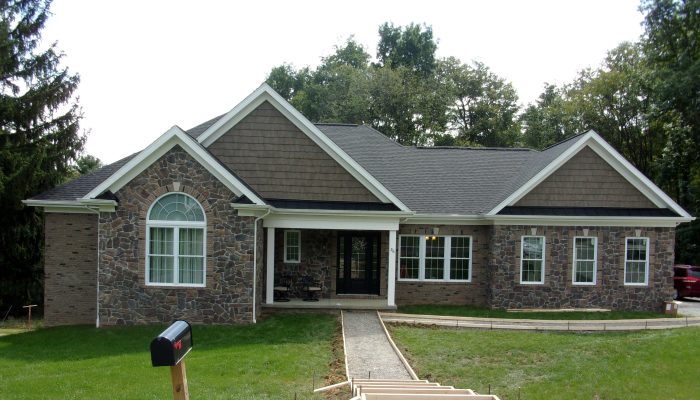
Regular maintenance and care are essential for preserving the quality and longevity of siding and brick exteriors. By following proper routines and guidelines, you can ensure that your home's exterior remains in excellent condition for years to come.
Maintenance for Siding
- Inspect siding regularly for any signs of damage, such as cracks, warping, or discoloration.
- Clean siding at least once a year using a mild detergent and a soft brush or cloth to remove dirt, mold, and mildew.
- Trim any vegetation near the siding to prevent moisture buildup and potential damage.
- Repair or replace any damaged or missing pieces of siding promptly to prevent further issues.
Care for Brick Exteriors
- Clean brick exteriors with a mixture of water and mild detergent using a soft brush or sponge to remove dirt and grime.
- Avoid using harsh chemicals or power washers, as they can damage the brick surface and mortar.
- Inspect the mortar joints regularly and repair any cracks or deterioration to maintain the structural integrity of the brickwork.
- Seal the brick exterior every few years to protect it from moisture and prolong its lifespan.
Common Issues and Repairs
- Common issues with siding include moisture damage, rot, and insect infestations, which require immediate attention and repair.
- Brick exteriors may experience efflorescence, spalling, or cracking, which can be signs of underlying issues that need to be addressed.
- If siding or brick materials are beyond repair or show extensive damage, it may be necessary to replace them to maintain the structural integrity and aesthetics of your home.
Last Recap
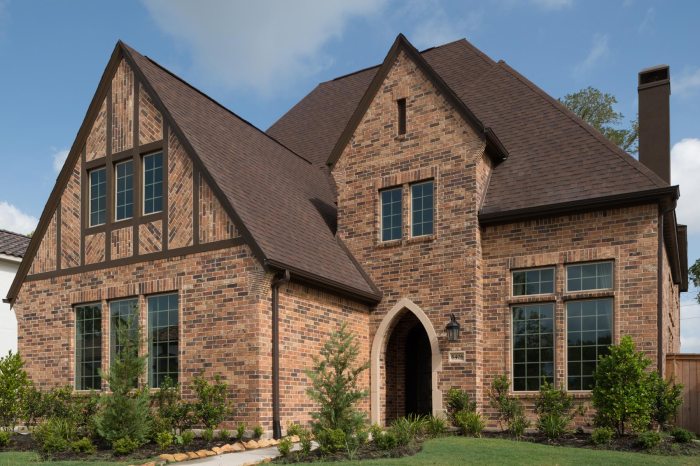
In conclusion, the combination of siding and brick exterior not only enhances the visual appeal of a structure but also ensures longevity and efficiency. From maintenance tips to material choices, this discussion highlights the importance of thoughtful design in creating a stunning exterior.
FAQ Insights
What are the main benefits of using brick for exterior walls?
Brick offers excellent durability, natural insulation, and a timeless aesthetic appeal.
How do I choose the right siding material for my home?
Consider factors like cost, maintenance requirements, and the desired look when selecting siding materials.
What are some common maintenance issues with siding?
Issues like warping, fading, or mold growth can occur with siding and require regular upkeep.
When should siding and brick materials be repaired or replaced?
Look for signs of damage or wear, such as cracks, water infiltration, or excessive wear, to determine when repairs or replacements are needed.