
Delving into the realm of average cost to put new siding on a house, this introductory passage aims to captivate readers with a wealth of information presented in a manner that is both engaging and informative.
Exploring the various factors that influence the cost of new siding installation and how they contribute to the overall expenses.
Factors influencing the cost of new siding installation
When considering the cost of installing new siding on a house, several factors come into play that can affect the overall price. These factors include the type of siding material chosen, the size of the house, labor costs, and additional factors that may increase or decrease the average cost.
Types of siding materials
Different types of siding materials can vary significantly in cost. Common options include:
- Vinyl siding: Affordable and low maintenance, making it a popular choice for homeowners.
- Fiber cement siding: Durable and resistant to fire and pests, but more expensive than vinyl.
- Wood siding: Provides a natural and traditional look but requires more maintenance and is often pricier.
- Metal siding: Offers excellent durability and minimal maintenance, but can be costly upfront.
Size of the house
The size of the house directly impacts the amount of siding material needed for installation. Larger homes will require more materials, driving up the overall cost of the project. Additionally, complex architectural designs with multiple angles and corners can also increase labor costs.
Impact of labor costs
Labor costs play a significant role in the total price of new siding installation. Factors such as the complexity of the project, accessibility of the work area, and the experience of the contractors can all influence labor costs. Hiring reputable professionals may come at a higher price but can ensure quality workmanship.
Additional factors affecting cost
In addition to material and labor costs, there are other factors that can impact the average cost of new siding installation. These include:
- Removal of existing siding: If old siding needs to be removed before installation, this can add to the total cost.
- Insulation: Adding insulation beneath the siding can increase energy efficiency but will also add to the overall price.
- Location: The region where the house is located can affect material and labor costs, with urban areas generally being more expensive.
- Customization: Opting for custom colors or textures can increase the cost compared to standard options.
Average cost breakdown of siding installation
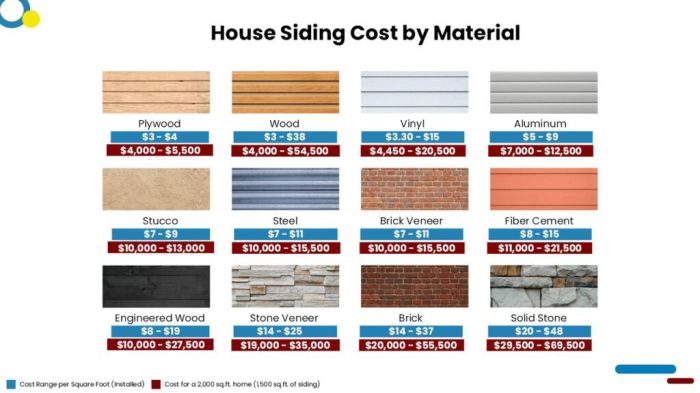
When considering new siding installation, it's essential to understand the average costs involved. This breakdown will help you budget effectively and make informed decisions regarding your home improvement project.
Average Costs of Popular Siding Materials per Square Foot
- Vinyl Siding: $3 - $7 per square foot
- Fiber Cement Siding: $5 - $12 per square foot
- Wood Siding: $6 - $15 per square foot
- Aluminum Siding: $5 - $9 per square foot
It's important to consider the durability, maintenance requirements, and aesthetic appeal of each siding material when choosing the right option for your home.
Difference in Costs Between DIY Installation and Hiring Professionals
- DIY Installation: While it may seem cost-effective upfront, DIY siding installation can lead to mistakes that may incur additional expenses in the long run. The average cost for DIY installation ranges from $1 - $3 per square foot.
- Professional Installation: Hiring professionals can ensure quality workmanship and save you time and effort. The average cost for professional siding installation ranges from $4 - $10 per square foot.
Consider your skill level, available time, and the complexity of the project when deciding between DIY installation and hiring professionals.
Additional Costs
- Permits: Depending on your local regulations, you may need permits for siding installation, which can cost anywhere from $100 to $500.
- Disposal Fees: Disposing of old siding materials can incur additional fees, typically ranging from $50 to $200.
- Equipment Rental: If you need to rent tools or equipment for the installation process, you can expect to pay around $50 to $100 per day.
Be sure to factor in these additional costs when budgeting for your new siding installation to avoid any unexpected expenses.
Regional cost variations for siding installation
When it comes to installing new siding on a house, the costs can vary depending on the region where the work is being done. Factors such as urban versus rural areas, climate conditions, and labor rates all play a role in determining the overall cost.
Average cost differences between urban and rural areas
In urban areas, the cost of siding installation tends to be higher due to higher material and labor costs, as well as the increased demand for skilled contractors. On the other hand, rural areas may have lower labor rates and less competition among contractors, leading to slightly lower overall costs for siding installation.
Impact of climate and weather conditions
Regions with extreme weather conditions, such as areas prone to hurricanes, heavy snowfall, or intense heat, may require specialized siding materials that can withstand these elements. This can result in higher material costs and potentially higher labor costs due to the complexity of the installation process.
Variation in labor rates by region
Labor rates for siding installation can vary significantly from region to region. For example, urban areas with a high cost of living may have higher labor rates compared to rural areas. Additionally, regions with a shortage of skilled labor in the construction industry may also see higher labor costs as contractors demand higher wages.
Tips for reducing the cost of new siding installation
When looking to reduce the cost of new siding installation, there are several strategies you can consider to save money without sacrificing quality.
Opt for Cost-Effective Siding Materials
One way to save on costs is to opt for more cost-effective siding materials. While premium materials may offer longevity and aesthetic appeal, there are also budget-friendly options available that provide durability and value for money.
Shop Around for Affordable Labor or Installation Services
Another way to reduce costs is to shop around for affordable labor or installation services. Get quotes from multiple contractors and compare their prices and services. Look for experienced professionals who offer competitive rates without compromising on quality.
Importance of Getting Multiple Quotes and Negotiating Prices
It's important to get multiple quotes from different contractors to have a better understanding of the average cost of the project. Once you have gathered several quotes, don't hesitate to negotiate prices. Many contractors may be willing to work within your budget if given the opportunity to secure your business.
Consider DIY or Partial Installation
If you have some DIY skills or are willing to learn, consider doing parts of the installation yourself. You can save money by handling certain tasks like removing old siding or painting the new siding. However, be cautious and ensure you have the necessary skills to avoid costly mistakes.
Final Review
Concluding our discussion on the average cost to put new siding on a house, we have uncovered key insights and tips to help navigate this process with ease and efficiency.
Questions Often Asked
What are the most cost-effective siding materials?
Answer: Vinyl and engineered wood are generally considered to be more budget-friendly options for new siding.
Is it possible to negotiate prices with siding installation services?
Answer: Yes, it's recommended to obtain multiple quotes and negotiate prices to potentially reduce costs.
How do labor rates vary by region?
Answer: Labor rates can significantly differ based on the location, with urban areas usually having higher rates compared to rural areas.
Are there any DIY options to reduce the cost of siding installation?
Answer: Yes, opting for DIY installation can lower costs, but it's important to consider skill level and potential risks.