
Step into the world of exterior reclaimed wood siding, where history meets sustainability in a stunning display of craftsmanship and character. As we delve into the realm of using reclaimed wood for exterior siding, get ready to uncover a treasure trove of information that will inspire your next home improvement project.
From the types of reclaimed wood to installation tips and design ideas, this discussion will guide you through the fascinating world of exterior reclaimed wood siding.
Overview of Exterior Reclaimed Wood Siding
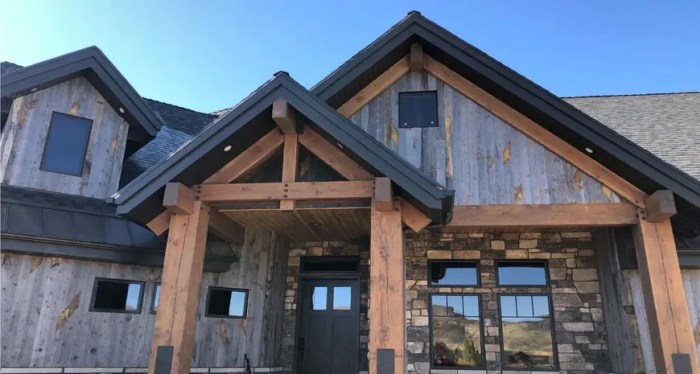
Exterior reclaimed wood siding refers to using recycled wood from old buildings, barns, or other structures to cover the exterior of a building. This sustainable practice gives a new life to old wood and adds a unique and rustic charm to the facade.
Benefits of Using Reclaimed Wood for Exterior Siding
Using reclaimed wood for exterior siding offers several advantages:
- Environmental Sustainability: By repurposing old wood, you are reducing the demand for new timber and helping to preserve forests.
- Character and Aesthetics: Reclaimed wood adds a sense of history and character to a building, creating a warm and inviting look.
- Durability: Old-growth wood used in reclaimed siding is often more durable and resistant to rot and decay compared to new wood.
- Unique Appearance: Each piece of reclaimed wood has its own story, with unique grain patterns, knots, and imperfections that add to the visual appeal.
Environmental Impact of Using Reclaimed Wood for Siding
Choosing reclaimed wood for siding is a sustainable choice that helps reduce the environmental impact in several ways:
- Forest Preservation: By using reclaimed wood, you are decreasing the demand for new timber, which helps protect forests and biodiversity.
- Energy Savings: Repurposing old wood requires less energy compared to the production of new materials, reducing carbon emissions.
- Landfill Diversion: Reusing old wood prevents it from ending up in landfills, reducing waste and environmental pollution.
Types of Reclaimed Wood for Siding
When it comes to exterior reclaimed wood siding, there are several types of reclaimed wood commonly used. Each type has its own unique characteristics, durability, and maintenance requirements.
Barn Wood
Barn wood is a popular choice for reclaimed wood siding due to its rustic appearance and weathered texture. It is typically sourced from old barns and structures, giving it a rich history and unique charm. Barn wood is known for its durability, but it may require periodic maintenance to prevent rotting or warping.
Pallet Wood
Pallet wood is another commonly used reclaimed wood for siding projects. It is sourced from discarded shipping pallets and often showcases a mix of wood species and colors. Pallet wood siding can add a modern and eclectic look to a building, but it may require more maintenance compared to other types of reclaimed wood due to its varied quality and condition.
Reclaimed Cedar
Reclaimed cedar is prized for its natural resistance to rot, insects, and decay. It is a durable option for exterior siding and offers a beautiful, rich color that can enhance the aesthetic of a building. Reclaimed cedar siding is relatively low maintenance, making it a popular choice for those looking for a long-lasting and visually appealing option.
Installation Process
Installing exterior reclaimed wood siding involves several steps to ensure a successful and lasting result. It is important to properly prepare the surface before installation and consider any special considerations or challenges that may arise during the process.
Surface Preparation
Before installing reclaimed wood siding, it is crucial to prepare the surface properly to ensure a secure and long-lasting installation. Here are some tips for preparing the surface:
- Thoroughly clean the surface to remove any dirt, debris, or old paint that may interfere with the installation.
- Inspect the surface for any signs of damage, rot, or mold, and make any necessary repairs before proceeding with the installation.
- Apply a weather-resistant barrier or flashing to protect the underlying structure from moisture and water damage.
- Create a level and flat surface to ensure the reclaimed wood siding sits properly and securely.
Installation Steps
- Start by measuring and cutting the reclaimed wood siding to fit the dimensions of the exterior wall.
- Begin at the bottom of the wall and work your way up, ensuring each piece is properly aligned and securely fastened.
- Use stainless steel or galvanized nails to attach the siding to the wall, making sure to leave a small gap between each piece to allow for expansion and contraction.
- Finish the installation by adding trim pieces around windows, doors, and corners to give the siding a polished look.
Special Considerations
- Reclaimed wood siding may have irregular shapes, sizes, and textures, which can make installation more challenging. Take the time to carefully plan and measure each piece to ensure a cohesive look.
- Due to the nature of reclaimed wood, it may be more susceptible to rot, insect damage, and warping. Treat the wood with a protective sealant or finish to prolong its lifespan and maintain its appearance.
- Consider hiring a professional contractor with experience in working with reclaimed wood siding to ensure a high-quality and durable installation.
Design Ideas and Inspiration
When it comes to incorporating exterior reclaimed wood siding into your design, the possibilities are endless. Here are some creative ideas to inspire you:
Mixing Reclaimed Wood with Other Materials
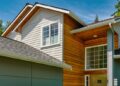
For a unique look, consider mixing reclaimed wood siding with other materials such as metal, stone, or stucco. This combination can create a modern yet rustic aesthetic that is sure to make your home stand out.
Styles and Patterns with Reclaimed Wood Siding
- Create a vertical plank pattern using reclaimed wood siding to add height and visual interest to your exterior.
- Opt for a chevron or herringbone pattern for a unique and eye-catching design that showcases the beauty of reclaimed wood.
- Consider using different wood finishes or colors to create a contrasting look that adds depth and dimension to your home's exterior.
Maintenance and Care
Proper maintenance and care are essential to ensure the longevity and beauty of exterior reclaimed wood siding. By following these tips, you can protect your siding from the elements and address any issues that may arise.
Protecting Reclaimed Wood Siding
- Regularly clean the siding with a mild detergent and water to remove dirt and debris.
- Apply a protective sealant or finish to the wood to prevent moisture penetration and UV damage.
- Inspect the siding for any signs of damage or wear, such as cracks, splits, or discoloration, and address them promptly.
- Trim back any vegetation or trees that may be in close proximity to the siding to prevent moisture buildup and potential damage.
Addressing Issues
- If you notice any signs of rot in the wood, remove the affected pieces and replace them with new reclaimed wood siding.
- To prevent pests such as termites or carpenter ants, ensure that the siding is properly sealed and maintained to deter these insects.
- If you encounter any issues with the siding that you are unable to address yourself, consult with a professional contractor or wood restoration specialist for assistance.
Closure
In conclusion, exterior reclaimed wood siding offers a unique blend of aesthetic appeal, environmental consciousness, and durability. Whether you're drawn to its rustic charm or its eco-friendly benefits, incorporating reclaimed wood into your exterior design can truly transform your space.
Embrace the beauty of history with exterior reclaimed wood siding and elevate your home's exterior with timeless elegance.
Common Queries
What are the main benefits of using reclaimed wood for exterior siding?
Reclaimed wood offers a unique aesthetic appeal, promotes sustainability by repurposing old materials, and can be highly durable if properly maintained.
How can I protect exterior reclaimed wood siding from the elements?
Applying a protective sealant, regular cleaning, and ensuring proper drainage around the siding can help protect it from weather damage.
Are there specific maintenance requirements for different types of reclaimed wood siding?
Yes, maintenance needs may vary based on the type of wood used. Some may require more frequent sealing or staining to maintain their appearance and integrity.
Can reclaimed wood siding be prone to issues like rot or pests?
If not properly maintained, reclaimed wood siding can be susceptible to rot, insect infestations, and mold growth. Regular inspections and prompt repairs are essential to prevent such issues.