
Delve into the world of exterior siding accents where creativity meets functionality. Discover the various types, design considerations, installation techniques, and maintenance tips that make these accents a crucial element in architectural aesthetics.
Types of Exterior Siding Accents
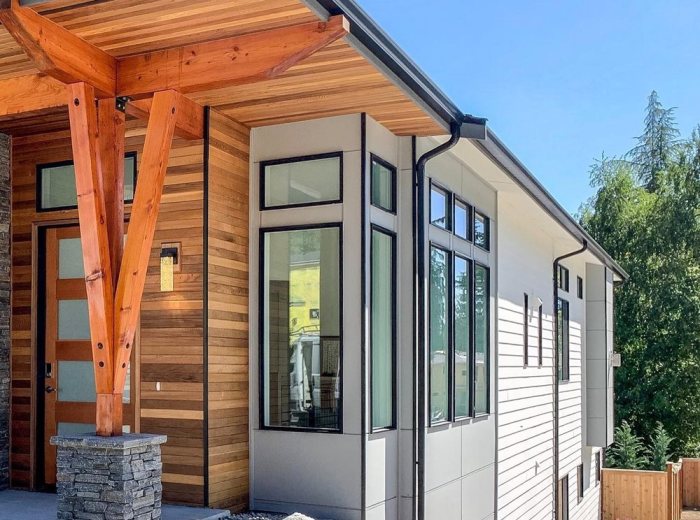
Exterior siding accents play a crucial role in enhancing the aesthetic appeal of a building while also providing protection from the elements. There are several types of siding accents commonly used in architecture, each with its unique characteristics and benefits.
Wood Siding
Wood siding is a popular choice for its natural beauty and warmth. It can be crafted from various wood species such as cedar, pine, or redwood, offering a range of colors and textures. While wood siding adds a classic look to a building, it requires regular maintenance to prevent rot, insect damage, and warping.
Vinyl Siding
Vinyl siding is known for its durability, low maintenance, and affordability. It comes in a wide array of colors and styles, including options that mimic the look of wood or stone. However, vinyl siding may crack or fade over time, and it is not as environmentally friendly as other materials.
Fiber Cement Siding
Fiber cement siding is a versatile option that combines the durability of cement with the appearance of wood or stucco. It is resistant to rot, fire, and insects, making it a low-maintenance choice for homeowners. Fiber cement siding is available in various finishes and can be painted to match any design aesthetic.
Stone Veneer
Stone veneer siding offers a luxurious and distinctive look to a building, creating a sense of elegance and sophistication. It is lightweight and easy to install, making it a popular choice for both exterior accents and interior walls. Stone veneer siding is durable and weather-resistant, but it can be more expensive than other siding materials.
Design Considerations
When it comes to enhancing the overall look of a building, exterior siding accents play a crucial role in adding visual interest and curb appeal. These accents can highlight architectural features, create depth, and provide a personalized touch to the exterior design.Color choices can significantly impact the aesthetic appeal of siding accents.
For example, dark colors like navy blue or charcoal grey can add a sense of sophistication and modernity, while lighter hues such as cream or sage green can create a more inviting and fresh look. It's essential to consider the existing color palette of the building and the surrounding environment when selecting the perfect color for siding accents.Texture and patterns are also key elements in designing with exterior siding accents.
Different textures, such as smooth, rough, or embossed finishes, can add dimension and visual interest to the facade. Mixing and matching textures can create a dynamic and unique look. Additionally, incorporating patterns like shiplap, board and batten, or vertical siding can add character and personality to the exterior design.
Examples of Texture and Patterns
- Shiplap siding can create a rustic and charming look, perfect for farmhouse-style homes.
- Board and batten siding, with its vertical design, adds a contemporary and architectural appeal to the building.
- Combining smooth and textured finishes can create a visually appealing contrast, enhancing the overall aesthetic of the exterior.
Installation Techniques
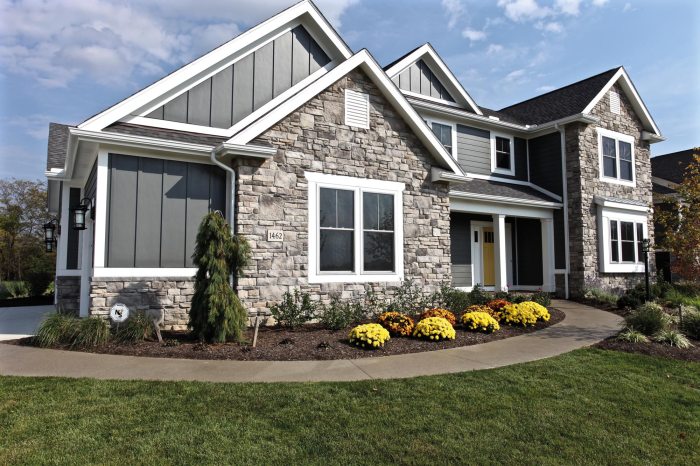
Installing exterior siding accents requires careful attention to detail and proper techniques to ensure durability and weather resistance. Here are some best practices and methods for installing exterior siding accents:
Step-by-Step Installation Process
- Prepare the surface: Make sure the surface where the siding accents will be installed is clean, dry, and free of any debris.
- Measure and cut: Measure the dimensions of the accent pieces accurately and cut them to fit the designated area.
- Apply adhesive: Use a high-quality adhesive recommended for exterior use to secure the siding accents in place.
- Secure in place: Press the siding accents firmly onto the surface and hold them in place until the adhesive sets.
- Finish and seal: Once the siding accents are installed, seal the edges and seams to prevent moisture infiltration.
Placement Methods
- Vertical placement: Installing siding accents vertically can create a sense of height and elegance, ideal for emphasizing tall or narrow areas of the exterior.
- Horizontal placement: Horizontal placement of siding accents can visually widen the facade and provide a modern or traditional look, depending on the design.
- Diagonal placement: Diagonal placement adds a dynamic and unique flair to the exterior, creating visual interest and architectural detail.
Maintenance and Care
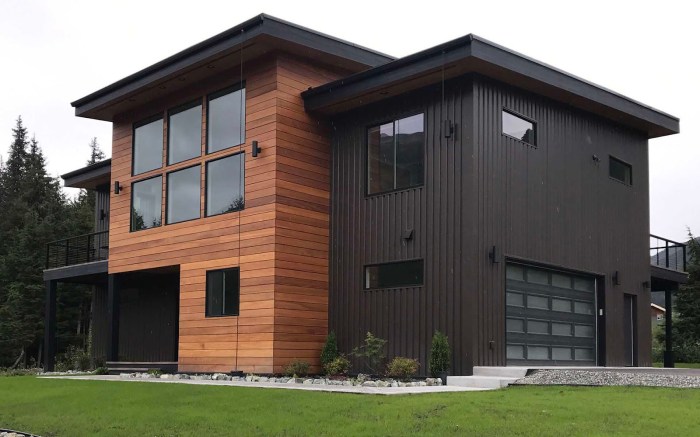
Proper maintenance is essential to ensure that your exterior siding accents remain in top condition for years to come. By following a regular maintenance schedule and addressing common issues promptly, you can preserve the quality and appearance of your siding materials.
Maintenance Schedule
Regularly inspect your siding accents for any signs of damage, such as cracks, peeling paint, or mold growth. Clean the siding at least once a year to remove dirt, debris, and mildew buildup. Consider applying a fresh coat of paint or sealant every few years to protect the siding from the elements.
Common Issues and Solutions
- Cracks or Holes: Fill in any cracks or holes with caulk or putty to prevent moisture from seeping into the siding and causing further damage.
- Mold or Mildew: Use a mixture of water and mild detergent to clean mold or mildew off the siding. Prevent future growth by keeping the area well-ventilated.
- Fading or Discoloration: Consider repainting or staining the siding to refresh its appearance and protect it from UV rays.
Cleaning and Preservation Tips
- For vinyl siding, use a mixture of water and mild detergent to clean off dirt and grime. Avoid using harsh chemicals or abrasive tools that could damage the surface.
- Wood siding should be cleaned with a gentle cleanser and a soft brush to prevent scratching or stripping the finish. Apply a fresh coat of sealer or paint to protect the wood from moisture and sun exposure.
- Brick or stone siding can be cleaned with a mixture of water and vinegar to remove dirt and stains. Avoid using high-pressure washers, as they can damage the mortar between the stones or bricks.
Concluding Remarks
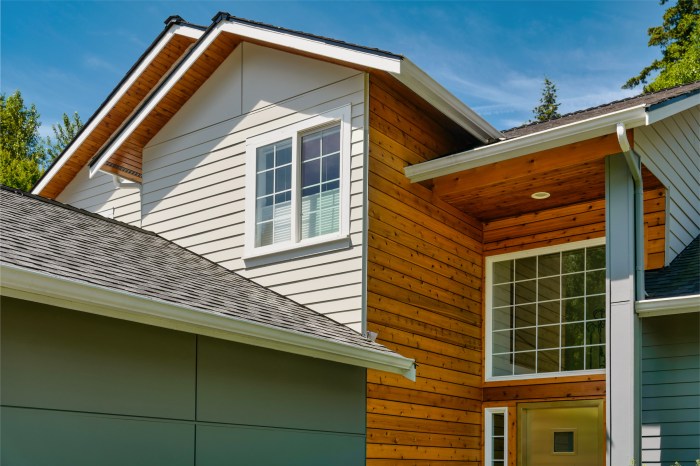
As we conclude our journey through the realm of exterior siding accents, it's evident that these accents are more than just decorative pieces—they are essential components that elevate the visual appeal and longevity of any structure.
Questions and Answers
What are the common types of exterior siding accents?
Exterior siding accents can include materials like wood, vinyl, fiber cement, or stone, each with unique characteristics.
How do color choices impact the aesthetic appeal of siding accents?
Color choices can significantly influence the overall look of a building, enhancing or detracting from its visual appeal.
What are some best practices for ensuring durability during installation?
Ensuring proper weather resistance and following installation methods like vertical, horizontal, or diagonal placements can help maintain durability.
How can one maintain the quality of exterior siding accents?
Regular cleaning and following a maintenance schedule are essential for preserving the quality of siding materials.