
Delving into the realm of painting wood siding cost, this guide offers valuable insights in a manner that is both informative and engaging. From factors affecting expenses to types of paint suitable for wood siding, this discussion covers all you need to know for a successful project.
Prepare to uncover the key details that will help you navigate the intricacies of painting wood siding cost with confidence and clarity.
Factors affecting the cost of painting wood siding
When it comes to painting wood siding, several factors can influence the overall cost of the project. Understanding these factors can help homeowners make informed decisions and budget accordingly.
Size of the Project
The size of the project plays a significant role in determining the cost of painting wood siding. Larger homes with more extensive siding will require more paint and labor, resulting in higher expenses. For example, painting a small cabin will cost less compared to painting a large two-story house.
Type of Paint
The type of paint chosen for the project can also impact the cost. High-quality paints tend to be more expensive but offer better durability and longevity. On the other hand, lower-quality paints may be more budget-friendly initially but could result in the need for repainting sooner, leading to higher long-term costs.
Condition of the Siding
The condition of the wood siding before painting can affect the overall cost. If the siding is in poor condition, requiring repairs or extensive prep work, the cost of the project will increase. Properly preparing the surface by sanding, priming, and addressing any damage will ensure a better finish but can add to the expenses.
Labor Costs
Labor costs are a significant factor in the total cost of painting wood siding. Hiring professional painters will increase the overall cost but may result in a higher-quality finish and save time. On the other hand, opting for a DIY approach can lower labor costs but requires time, skill, and effort.
Preparation requirements for painting wood siding
When it comes to painting wood siding, proper preparation is key to achieving a long-lasting and high-quality finish. By following the necessary steps before painting, you can ensure that your paint job looks great and remains durable over time.
Cleaning the wood siding
Before you start painting, it is important to thoroughly clean the wood siding. Remove any dirt, dust, mold, or mildew that may have accumulated on the surface. You can use a pressure washer or a mixture of water and mild detergent to clean the siding effectively.
Sanding the wood siding
After cleaning, sanding the wood siding is essential for creating a smooth surface for the paint to adhere to. Sanding will also help remove any loose or peeling paint, as well as rough spots or imperfections on the wood. Use fine-grit sandpaper to sand the siding evenly.
Priming the wood siding
Priming the wood siding before painting is crucial for better adhesion and improved durability of the paint job. A high-quality primer will seal the wood, prevent moisture absorption, and create a uniform surface for the paint. Make sure to choose a primer that is suitable for exterior wood surfaces.
Repairing any damage
Inspect the wood siding for any cracks, holes, or rotting areas that need to be repaired before painting. Fill in any gaps with wood putty, replace damaged boards if necessary, and ensure that the surface is in good condition before applying paint.
Proper repairs will prevent further damage and enhance the overall appearance of the siding.
Tips for a successful painting process
- Cover nearby plants, windows, and doors to protect them from paint splatter.
- Choose high-quality exterior paint that is suitable for wood surfaces.
- Apply paint in thin, even coats to prevent drips and achieve a smooth finish.
- Allow sufficient drying time between coats as per the manufacturer's instructions.
- Consider hiring a professional painter for large or complex wood siding projects.
Types of paint suitable for wood siding
When it comes to painting wood siding, choosing the right type of paint is crucial for achieving a long-lasting and high-quality finish
Oil-based paint
Oil-based paint is known for its durability and excellent adhesion to surfaces. It provides a smooth and glossy finish, making it ideal for wood siding in high-traffic areas or exposed to harsh weather conditions. However, oil-based paint tends to yellow over time and requires mineral spirits for cleaning up, which can be challenging.
Latex paint
Latex paint is a popular choice for wood siding due to its ease of use, quick drying time, and low odor. It is water-based, making it easy to clean up with soap and water. Latex paint also offers excellent color retention and flexibility, allowing it to expand and contract with the wood without cracking.
However, latex paint may not be as durable as oil-based paint in extreme weather conditions.
Acrylic paint
Acrylic paint combines the durability of oil-based paint with the easy cleanup of latex paint. It is resistant to fading, cracking, and mildew, making it a great option for wood siding in varying climates. Acrylic paint dries quickly and is available in a wide range of colors and finishes.
It also retains its color well over time, maintaining the appearance of the wood siding for years to come.Each type of paint has its advantages and considerations, so it's essential to choose the most suitable one based on your specific wood siding scenario.
Consider factors such as the climate, exposure to sunlight, maintenance requirements, and desired finish when selecting the right paint for your wood siding project.
Cost breakdown of painting wood siding
When it comes to painting wood siding, the cost breakdown can vary depending on several factors such as materials, labor, equipment rental, and additional expenses. The pricing can also be influenced by the region, seasonal factors, and other external factors.
Here is a detailed breakdown of the costs involved in painting wood siding:
Materials
- High-quality paint: $500 - $1,000
- Primer: $100 - $200
- Caulk and sealant: $50 - $100
- Paint brushes and rollers: $50 - $100
- Drop cloths and tape: $50 - $100
Labor
- Professional painter: $1,000 - $3,000
- Assistant/helper: $500 - $1,000
Equipment Rental
- Scaffolding or ladder rental: $200 - $500
- Spray gun rental: $100 - $200
Additional Expenses
- Permit fees: $50 - $200
- Cleanup and disposal: $100 - $200
- Unexpected repairs: $200 - $500
Sample Budget
For a typical wood siding painting project, the total cost can range from $2,500 to $7,000. This includes materials, labor, equipment rental, and additional expenses. However, prices may vary based on the size of the project, the quality of materials used, and the region where the work is being done.
Closing Summary
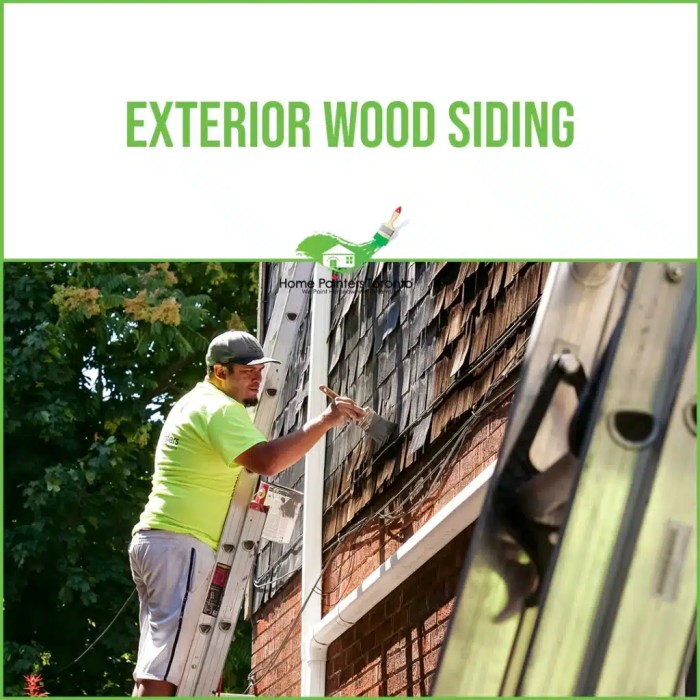
In conclusion, understanding the nuances of painting wood siding cost is essential for making informed decisions on your next home improvement project. Armed with this knowledge, you can embark on your painting journey with ease and efficiency, ensuring a beautiful and long-lasting finish for your wood siding.
Frequently Asked Questions
What factors can impact the cost of painting wood siding?
Factors such as project size, paint type, siding condition, and labor costs can all influence the overall expenses.
What are the preparation requirements for painting wood siding?
Preparation steps include cleaning, sanding, priming, and repairing any damage to ensure a successful paint job.
Which types of paint are suitable for wood siding?
Oil-based, latex, and acrylic paints are commonly used for wood siding, each with different durability and maintenance characteristics.
How can I create a cost breakdown for painting wood siding?
A detailed breakdown should include material, labor, equipment, and additional costs, with pricing varying based on location and other factors.