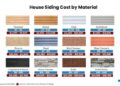

Embark on a journey into the world of PBA home siding, where innovation meets functionality to transform your home's exterior. Discover the key aspects of PBA siding that make it a popular choice among homeowners looking for durability and style.
As we delve deeper into the realm of PBA home siding, you'll uncover everything you need to know to make an informed decision for your home improvement project.
Understanding PBA Home Siding
PBA home siding is a type of exterior cladding made from a durable, weather-resistant material known as polybutylene terephthalate (PBA). This siding is designed to protect homes from the elements while enhancing their aesthetic appeal.
Benefits of Using PBA Home Siding
- 1. Durability: PBA home siding is known for its longevity and ability to withstand harsh weather conditions, such as extreme heat, cold, and moisture.
- 2. Low Maintenance: Unlike traditional wood siding, PBA siding requires minimal upkeep, saving homeowners time and money on repairs and maintenance.
- 3. Energy Efficiency: PBA siding can improve a home's insulation, leading to increased energy efficiency and lower heating and cooling costs.
- 4. Versatility: PBA siding comes in a variety of colors, textures, and styles, allowing homeowners to choose the perfect look for their homes.
Different Types of PBA Home Siding
- 1. Horizontal Lap Siding: This traditional style features long, overlapping boards that create a classic look for homes.
- 2. Vertical Siding: Vertical PBA siding offers a unique aesthetic and can make homes appear taller and more modern.
- 3. Shingle Siding: Resembling cedar shingles, this type of PBA siding adds a rustic charm to homes without the maintenance requirements of wood.
- 4. Board and Batten Siding: With wide boards and narrow strips (battens) over the seams, this style provides a timeless appeal to homes.
Installation Process
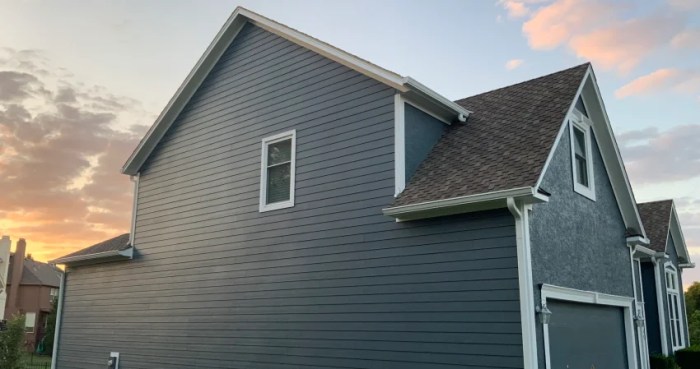
Installing PBA home siding involves several key steps to ensure a successful outcome. It is essential to follow these steps carefully to achieve a professional-looking result that enhances the aesthetic appeal and durability of your home.
Tools and Materials Required
- Hammer and nails or a nail gun: These are essential for securing the siding panels in place.
- Level: To ensure that the siding is installed straight and even.
- Tape measure: For accurate measurements and cutting of the siding panels.
- Saw: To cut the siding panels to the required lengths.
- J-channel: To provide a finished look around windows, doors, and corners.
- Siding panels: Choose high-quality PBA siding panels in the color and style of your choice.
- House wrap and insulation: To provide added protection and energy efficiency.
Tips for a Successful Installation
- Prepare the surface: Ensure that the surface where the siding will be installed is clean, dry, and free of any debris or damage.
- Follow manufacturer instructions: It is crucial to follow the installation guidelines provided by the manufacturer to ensure proper installation and warranty coverage.
- Start from the bottom up: Begin installing the siding from the bottom of the wall and work your way up to ensure proper alignment.
- Overlap correctly: Make sure to overlap the siding panels according to the manufacturer's recommendations to prevent water infiltration.
- Use the right tools: Using the proper tools and equipment will make the installation process easier and help achieve a professional finish.
- Check for proper ventilation: Ensure that there is adequate ventilation behind the siding to prevent moisture buildup and potential damage.
Maintenance and Care
Proper maintenance is essential to ensure the longevity and appearance of your PBA home siding. Regular care can help prevent damage and keep your siding looking its best for years to come.When it comes to cleaning and caring for PBA home siding, there are a few key steps to keep in mind:
Cleaning PBA Home Siding
- Regularly wash the siding with a mixture of mild soap and water to remove dirt, dust, and debris.
- Use a soft-bristle brush or a cloth to clean the siding gently, avoiding harsh scrubbing that could damage the surface.
- Rinse thoroughly with clean water to remove any soap residue.
- Avoid using abrasive cleaners, solvents, or pressure washers, as these can cause damage to the siding.
Caring for PBA Home Siding
- Inspect the siding regularly for any signs of damage, such as cracks, chips, or warping.
- Address any issues promptly to prevent further damage and maintain the integrity of the siding.
- Trim vegetation and bushes near the siding to prevent moisture buildup and potential damage.
- Consider applying a protective sealant or coating to enhance the durability of the siding and protect it from the elements.
Common Issues and Solutions
- Moisture buildup: Ensure proper ventilation to prevent moisture from accumulating behind the siding, leading to mold or mildew growth.
- Fading or discoloration: Consider using a UV-protective coating or paint to prevent fading and maintain the color of the siding.
- Cracks or chips: Repair any damaged areas promptly with a matching sealant or filler to prevent further deterioration.
- Pest infestation: Seal any gaps or openings where pests could enter and make sure to address any pest problems promptly.
Cost and Durability
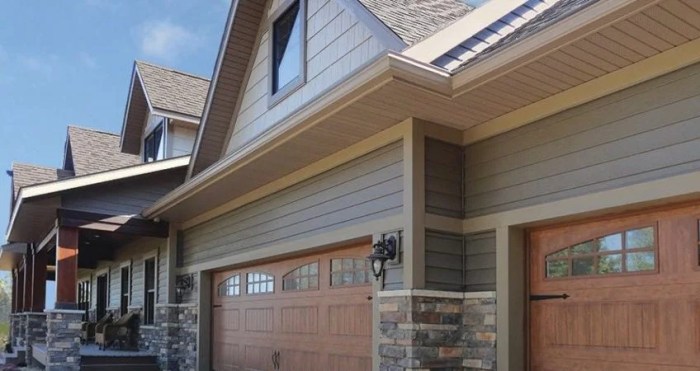
When it comes to choosing siding for your home, cost and durability are important factors to consider. Let's take a closer look at how PBA home siding compares in terms of cost and longevity.
Cost Comparison
When comparing the cost of PBA home siding with other siding materials such as vinyl, wood, or fiber cement, PBA siding may initially have a higher upfront cost. However, it is essential to consider the long-term savings and benefits that PBA siding can provide.
With its exceptional durability and low maintenance requirements, PBA siding can offer cost-effectiveness over time by reducing the need for frequent repairs and replacements.
Durability and Lifespan
PBA home siding is known for its exceptional durability, making it a popular choice among homeowners. With proper installation and maintenance, PBA siding can last for decades, providing reliable protection for your home against harsh weather conditions, pests, and wear and tear.
Its resistance to moisture, rot, and warping ensures that your home remains well-protected and looking great for years to come.
Cost-Effectiveness of PBA Siding
Choosing PBA home siding can be a cost-effective investment in the long run due to its durability and low maintenance requirements. While the initial cost may be higher than other siding materials, the long-term savings in repair and replacement costs make PBA siding a wise choice for homeowners looking for a durable and reliable siding option.
Additionally, the enhanced curb appeal and value that PBA siding can add to your home may also contribute to its overall cost-effectiveness.
Conclusive Thoughts
In conclusion, PBA home siding emerges as a versatile and cost-effective option for enhancing your home's aesthetic appeal while ensuring long-lasting durability. With proper maintenance and care, your PBA siding will stand the test of time, providing both beauty and functionality for years to come.
Top FAQs
What is PBA home siding?
PBA home siding is a type of siding material made from polybutylene terephthalate (PBA) that offers excellent durability and aesthetic appeal for residential properties.
How do I clean and care for PBA home siding?
To clean PBA home siding, simply use a mixture of mild soap and water, and rinse with a garden hose. Regular inspections for any damage are recommended for proper care.
Is PBA home siding cost-effective?
While the initial cost of PBA home siding may be higher, its long lifespan and minimal maintenance requirements make it a cost-effective choice in the long run compared to other siding materials.
What are the common issues that may arise with PBA home siding?
Common issues with PBA home siding include fading due to UV exposure, cracking in extreme temperatures, and potential warping. Proper installation and maintenance can help mitigate these issues.