
Exploring the intricacies of replacing wood siding cost unveils a world where material quality, labor expenses, and project size play pivotal roles in determining the overall expenditure. Dive into this detailed guide to understand the nuances of cost implications when it comes to wood siding replacement.
Factors affecting the cost of replacing wood siding
When considering the cost of replacing wood siding, several factors come into play that can significantly impact the overall expenses. From the quality of materials to the size of the project, each element contributes to the final cost.Material Quality:The quality of the wood siding material you choose will directly influence the cost of the project.
Higher quality materials, such as cedar or redwood, will generally come with a higher price tag compared to more affordable options like pine. Keep in mind that the durability and appearance of the siding will also be affected by the quality of the material chosen.Labor Costs:Labor costs play a crucial role in determining the total expense of replacing wood siding.
The complexity of the project, the skill level of the workers, and the location of your property can all impact labor costs. Hiring experienced professionals may increase the cost but can ensure a high-quality installation that will last for years to come.Types of Wood Siding:Different types of wood siding come with varying costs.
For example, cedar siding tends to be more expensive than pine siding due to its natural resistance to decay and insect damage. Redwood siding is another premium option that comes at a higher price point. Understanding the cost implications of each type of wood siding can help you make an informed decision based on your budget and preferences.Size of the Project:The size of the project, measured in square footage, is a key factor in determining the overall expenses of replacing wood siding.
Larger projects will naturally require more materials and labor, leading to higher costs. It's essential to accurately measure the area to be covered with new siding to get an accurate estimate of the total expenses involved.
Cost breakdown of wood siding replacement
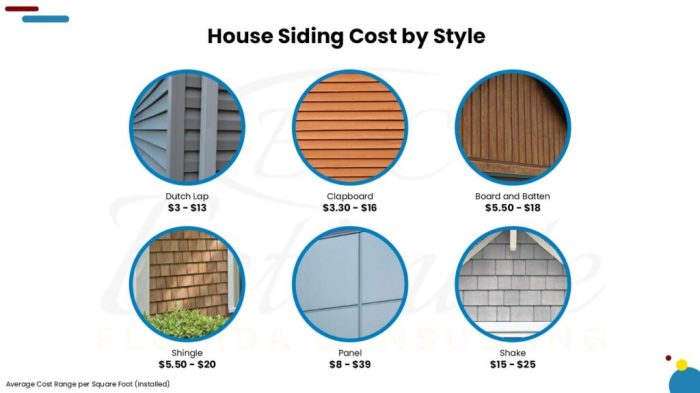
When it comes to replacing wood siding, understanding the breakdown of costs is essential to budgeting effectively for the project. Here, we will Artikel the average costs of materials per square foot, discuss additional expenses besides materials and labor, and highlight potential cost-saving measures during the replacement process.
Average Costs of Materials per Square Foot
| Material | Average Cost per Square Foot |
|---|---|
| Wood Siding | $5
|
| Primer | $1
|
| Paint/Stain | $2
|
Additional Costs Besides Materials and Labor
- Permit Fees: Depending on your location, you may need to obtain permits for the siding replacement, which can add to the overall cost.
- Equipment Rental: If specialized equipment is required for the installation, renting it can be an additional expense.
- Disposal Fees: Properly disposing of old siding and waste materials may involve extra costs.
Cost-Saving Measures during Replacement Process
- DIY Painting: You can save on labor costs by painting or staining the wood siding yourself, assuming you have the necessary skills.
- Comparing Quotes: Get multiple quotes from different contractors to ensure you are getting a competitive price for the project.
- Maintain Existing Trim: Reusing existing trim pieces instead of replacing them can help reduce material costs.
Hiring professionals vs. DIY for wood siding replacement
When it comes to replacing wood siding, homeowners often face the decision of hiring professionals or taking on the project themselves
Cost Comparison
Before diving into the advantages and challenges, it's essential to understand the cost implications of hiring professionals versus opting for a DIY approach. Hiring professionals may come with a higher upfront cost, including labor fees and materials markup. On the other hand, tackling the project yourself can save you money on labor but may require more time and effort on your part.
Advantages of Professional Installation
- Professional expertise and experience ensure high-quality workmanship.
- Contractors may have access to better deals on materials, saving you money in the long run.
- Warranty and guarantee on work provided by professionals offer peace of mind.
Risks and Challenges of DIY
- DIY projects may lack the precision and skill of professional work, leading to potential issues down the line.
- Inadequate knowledge of proper installation techniques could result in costly mistakes.
- Safety hazards, such as working at heights or handling power tools, pose risks for inexperienced individuals.
Environmental considerations in wood siding replacement
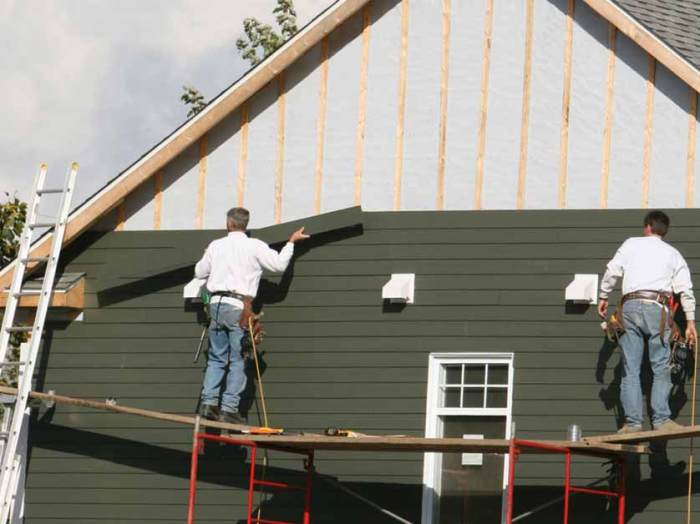
When it comes to replacing wood siding, considering the environmental impact of your choices is crucial. Opting for eco-friendly options not only benefits the environment but can also have long-term advantages for your home and wallet.
Eco-friendly options for wood siding
- Choose sustainable wood materials such as cedar or redwood, which are sourced from responsibly managed forests.
- Consider engineered wood products made from recycled wood fibers, reducing the need for virgin timber.
- Explore alternative materials like fiber cement or composite siding, which require less maintenance and have a longer lifespan.
Impact of sustainable materials on overall cost
- While sustainable materials may have a slightly higher upfront cost, they often require less maintenance and have a longer lifespan, resulting in cost savings in the long run.
- Additionally, some eco-friendly materials may qualify for tax incentives or rebates, further offsetting the initial investment.
Long-term benefits of environmentally friendly choices
- Reduced environmental impact by using materials that are renewable, recyclable, or have a lower carbon footprint.
- Improved indoor air quality and health benefits for occupants by choosing siding materials that are free from harmful chemicals.
- Enhanced curb appeal and increased property value by showcasing a sustainable and eco-friendly home exterior.
Final Review
As we conclude our discussion on replacing wood siding cost, it's evident that careful consideration of factors like eco-friendly options, professional installation advantages, and cost-saving measures can lead to a successful and budget-friendly project. Embrace these insights to make informed decisions for your next wood siding replacement endeavor.
FAQ Overview
What role does material quality play in the cost of replacing wood siding?
Material quality significantly influences the overall cost as higher-quality materials tend to be more expensive but offer better durability and aesthetics.
Are there any cost-saving measures during the wood siding replacement process?
Yes, some cost-saving measures include exploring different wood siding types, sourcing materials from discount suppliers, and comparing quotes from multiple contractors.
What are the advantages of hiring professionals for wood siding replacement?
Professional installation ensures quality workmanship, timely completion, and often comes with warranties that guarantee long-term satisfaction and peace of mind.