
Embark on a journey to transform your home with a siding remodel. Discover the benefits, types of materials, cost considerations, installation process, and maintenance tips in this comprehensive guide.
Benefits of Siding Remodel
Upgrading your siding can bring a multitude of benefits to your home, ranging from improved energy efficiency to increased property value.
Improved Energy Efficiency
By installing new siding, you can enhance the insulation of your home, reducing heat loss in the winter and heat gain in the summer. This can lead to lower energy bills and a more comfortable living environment throughout the year.
Enhanced Curb Appeal
New siding can completely transform the look of your home, boosting its curb appeal and making it more attractive to potential buyers. This can significantly increase the resale value of your property.
Increased Durability
Modern siding materials are designed to be more durable and resistant to the elements, providing long-lasting protection for your home. This can save you money on maintenance and repairs in the long run.
Types of Siding Materials
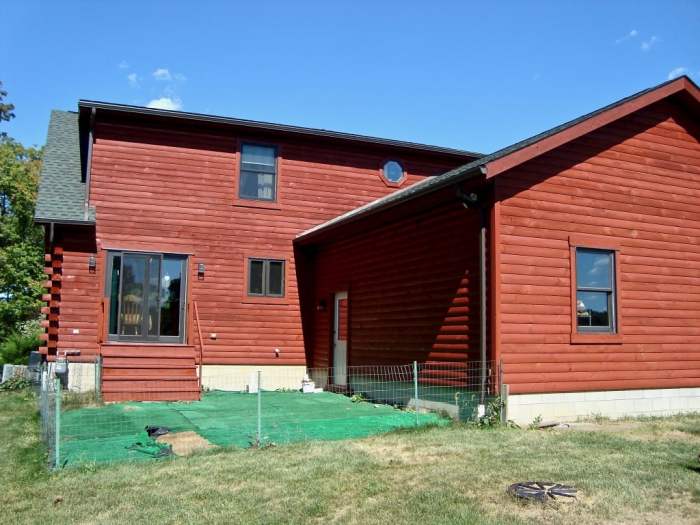
When it comes to siding materials, there are several options available, each with its own set of characteristics and benefits. Let's compare and contrast different siding materials such as vinyl, wood, fiber cement, and metal to help you make an informed decision for your siding remodel.
Vinyl Siding
Vinyl siding is a popular choice due to its affordability and low maintenance requirements. It is available in a wide range of colors and styles, making it versatile for various home designs. However, vinyl siding may not be as durable as other materials and can crack or fade over time.
Wood Siding
Wood siding provides a classic and natural look to a home, adding warmth and charm. It can be painted or stained in different colors to suit your preferences. While wood siding is durable and can last for many years if properly maintained, it requires regular upkeep such as painting or staining to prevent rotting or warping.
Fiber Cement Siding
Fiber cement siding is known for its durability and resistance to elements such as moisture, fire, and insects. It can mimic the look of wood or stucco but without the same maintenance requirements. Fiber cement siding is a bit more expensive upfront but can save money in the long run due to its longevity.
Metal Siding
Metal siding, such as steel or aluminum, is a durable option that provides excellent protection against weather conditions. It is low maintenance and resistant to rot, mold, and pests. Metal siding comes in different finishes and can give a modern and sleek appearance to a home.Consider the durability, maintenance requirements, and aesthetic appeal of each siding material to choose the best option for your siding remodel project.
Cost Considerations
When embarking on a siding remodel project, it is crucial to consider the costs involved to ensure that you stay within your budget and avoid any financial surprises along the way. Explainatory paragraph
Breakdown of Costs
- Labor Costs: Hiring professionals to install the siding can be a significant portion of the overall project cost.
- Material Costs: The type of siding material you choose will greatly impact the total cost of the project.
- Permit Fees: Depending on your location, you may need to obtain permits for the remodel, which can add to the expenses.
- Equipment Rental: If you decide to do some of the work yourself, you may need to rent equipment, adding to the overall cost.
Influence of Siding Material Choice
- Vinyl Siding: Generally one of the most affordable options, making it a popular choice for budget-conscious homeowners.
- Fiber Cement Siding: Offers durability and low maintenance, but can be more expensive upfront compared to vinyl.
- Wood Siding: Provides a classic look but may require more upkeep over time, potentially increasing long-term costs.
- Metal Siding: Can be a cost-effective option, especially if you choose a material like steel, which is durable and long-lasting.
Tips for Budgeting and Cost-Saving
- Get Multiple Quotes: Always obtain quotes from different contractors and suppliers to ensure you are getting the best value for your money.
- Consider DIY: If you have the skills and time, tackling some aspects of the project yourself can help save on labor costs.
- Plan Ahead: Proper planning and budgeting can help you avoid overspending and make informed decisions throughout the remodel.
- Explore Financing Options: If the upfront cost is a concern, look into financing options to spread out payments over time.
Siding Installation Process
When it comes to installing new siding, there are several important steps that need to be followed to ensure a successful outcome
Importance of Proper Preparation
Before starting the siding installation process, it is crucial to prepare the exterior of your home properly. This includes cleaning the surface, removing any old siding, repairing any damaged areas, and ensuring that the area is dry and free of debris.
Proper preparation will help the new siding adhere correctly and prevent any issues down the line.
Common Challenges and How to Overcome Them
- Challenge: Uneven Surfaces
- Solution: Before installing new siding, make sure to address any uneven surfaces by using a leveling compound or shims to create a smooth and flat surface for the siding to be installed on.
- Challenge: Incorrect Measurements
- Solution: Double-check all measurements before cutting any siding panels to ensure they fit properly. It's always better to measure twice and cut once to avoid wasting materials.
- Challenge: Weather Conditions
- Solution: Inclement weather can pose a challenge during siding installation. Monitor the weather forecast and plan the installation on a clear day to avoid any issues. Additionally, make sure to follow manufacturer recommendations for temperature and weather conditions during installation.
- Challenge: Lack of Experience
- Solution: If you are not experienced in siding installation, consider hiring a professional contractor to help with the process. They have the expertise and tools needed to ensure a successful installation.
Maintenance and Care Tips
Maintaining and caring for newly installed siding is essential to ensure its longevity and appearance. By following best practices and regular maintenance routines, you can protect your investment and keep your home looking its best for years to come.
Cleaning Different Types of Siding Materials
- For vinyl siding, use a mixture of water and mild soap to clean the surface. Avoid using harsh chemicals or abrasive materials that can damage the vinyl.
- Wood siding should be cleaned with a soft brush or sponge and a gentle cleaner to prevent any damage to the natural fibers. Regularly inspect and treat any signs of mold or mildew.
- Fiber cement siding can be cleaned with a mixture of water and mild detergent. Avoid using high-pressure washers as they can cause water damage to the siding.
- Metal siding should be cleaned with a solution of water and mild detergent, followed by a rinse with clean water. Inspect for any signs of rust and address them promptly to prevent further corrosion.
Regular Maintenance for Prolonging Lifespan
- Inspect your siding regularly for any signs of damage, such as cracks, warping, or discoloration. Address any issues promptly to prevent further damage.
- Trim back any vegetation or trees near the siding to prevent moisture buildup and potential damage from branches or leaves rubbing against the surface.
- Consider applying a fresh coat of paint or sealant to protect the siding from the elements and maintain its appearance. Follow manufacturer guidelines for proper application.
- Clean gutters and downspouts regularly to prevent water from overflowing onto the siding and causing water damage.
Last Point
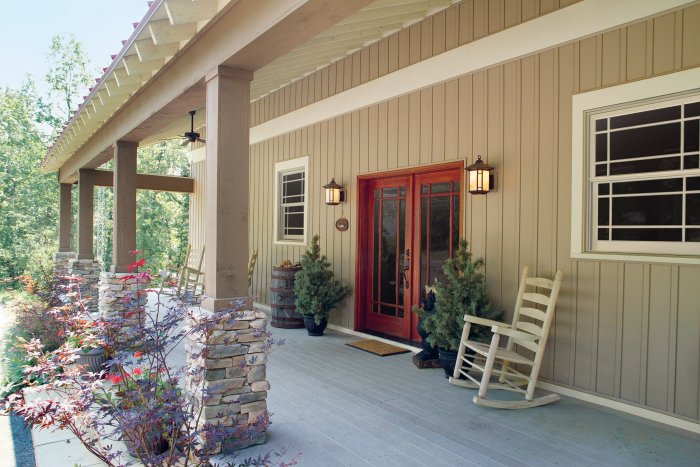
In conclusion, a siding remodel not only enhances the aesthetics of your property but also boosts energy efficiency and increases its value. Take the first step towards a stunning exterior makeover today.
FAQs
What are the benefits of upgrading siding?
Upgrading siding can improve energy efficiency, enhance the property's appearance, and increase its value.
Which siding material is the most durable?
Fiber cement siding is known for its durability and low maintenance requirements.
How can I save costs during a siding remodel?
Opt for cost-effective materials like vinyl, and compare quotes from different contractors to find the best deal.
What are some common challenges during the siding installation process?
Issues like uneven walls, weather delays, and incorrect measurements can pose challenges during siding installation.
How often should I clean my siding for maintenance?
Regularly clean your siding at least once a year to prevent dirt buildup and maintain its appearance.