
Delving into the realm of windows and siding replacement, this guide invites readers with valuable insights to explore the world of home improvement. Discover how upgrading your windows and siding can not only enhance energy efficiency but also elevate your home's overall aesthetic appeal.
As we delve deeper, you'll uncover essential information about different materials, installation processes, and key considerations to ensure a seamless transition to a more stylish and efficient home.
Importance of Windows and Siding Replacement
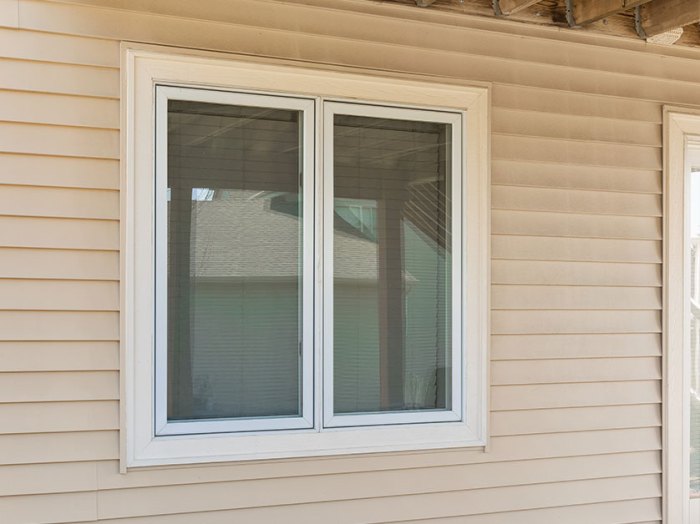
Replacing windows and siding in a home is crucial for several reasons. Not only does it enhance the overall aesthetics of the property, but it also plays a significant role in improving energy efficiency and increasing the value of the home.
Improved Energy Efficiency
By installing new windows and siding, homeowners can experience a noticeable reduction in energy consumption. Modern materials and designs are more energy-efficient, helping to keep the home cooler in the summer and warmer in the winter. This results in lower utility bills and a more comfortable living environment.
Enhanced Curb Appeal
Updated windows and siding can completely transform the exterior appearance of a home, boosting its curb appeal. Whether it's a fresh coat of paint, stylish siding, or sleek windows, these upgrades can make a home look more modern, attractive, and well-maintained.
This not only impresses visitors but also adds value to the property.
Types of Windows and Siding Materials
When it comes to windows and siding replacement, choosing the right material is crucial for the overall look, durability, and maintenance of your home.
Windows
- Vinyl Windows: Vinyl windows are popular for their affordability, low maintenance, and energy efficiency. They are durable and resistant to rotting, peeling, and fading.
- Wood Windows: Wood windows offer a classic and timeless look. While they require more maintenance to prevent rotting and warping, they can be easily customized to fit your home's style.
- Aluminum Windows: Aluminum windows are known for their strength and durability. They are low maintenance and resistant to rust, but they may not offer as much energy efficiency as other materials.
- Fiberglass Windows: Fiberglass windows are strong, durable, and energy-efficient. They are low maintenance and can withstand extreme weather conditions.
Siding
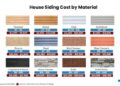
- Vinyl Siding: Vinyl siding is a popular choice due to its affordability, versatility, and low maintenance. It is resistant to rot, pests, and fading, making it a durable option for many homeowners.
- Fiber Cement Siding: Fiber cement siding is a durable and low-maintenance option that mimics the look of wood without the risk of rotting or warping. It is resistant to fire, pests, and harsh weather conditions.
- Wood Siding: Wood siding offers a natural and classic look to homes. While it requires more maintenance to prevent rotting, insects, and warping, it can be stained or painted to match your style preferences.
Factors to Consider Before Replacement
Before embarking on a windows and siding replacement project, there are several important factors to consider to ensure a successful outcome.
Proper Measurements
It is crucial to take accurate measurements of your windows and siding before replacement. Improper measurements can lead to ill-fitting replacements, causing issues with insulation, energy efficiency, and overall aesthetics. Consider hiring a professional to ensure precise measurements are taken.
Climate and Location
The climate and location of your property play a significant role in determining the most suitable windows and siding materials. For example, in areas with extreme weather conditions, such as high winds or heavy precipitation, durable and weather-resistant materials would be ideal
Similarly, in regions with hot summers or cold winters, energy-efficient windows and insulation are essential to maintain a comfortable indoor environment and reduce heating and cooling costs.
Installation Process
When it comes to replacing windows and siding, the installation process plays a crucial role in ensuring the longevity and efficiency of these components. Proper installation can prevent issues such as air leaks, water infiltration, and energy inefficiency.
Replacing Windows
- Remove the old window carefully, ensuring no damage to the surrounding structure.
- Prepare the opening, making sure it is clean and level.
- Install the new window, ensuring a tight seal and proper insulation.
- Finish the installation by caulking, sealing, and insulating around the window.
Replacing Siding
- Remove the old siding, taking care not to damage the underlying structure.
- Inspect and repair any damage to the sheathing or framing.
- Install the new siding, starting from the bottom and working your way up.
- Finish the installation by sealing joints, corners, and edges to prevent water infiltration.
The Importance of Hiring Professionals
Benefits of Professional Installation:
Professionals have the experience and expertise to ensure proper installation, reducing the risk of issues down the line.
Risks of DIY Installation:
DIY installation can lead to mistakes that compromise the performance and durability of windows and siding.
Tips for a Seamless Installation Process
- Research and hire reputable professionals with a track record of quality installations.
- Communicate clearly with the installers about your preferences and any specific requirements.
- Prepare the work area by removing obstacles and ensuring a clean and accessible space.
- Regularly inspect the installation process to address any concerns or issues promptly.
Last Recap
In conclusion, embarking on a journey of windows and siding replacement can truly transform your living space. From boosting energy efficiency to refreshing your home's exterior, this process offers a myriad of benefits that are worth the investment. Take the first step towards a more comfortable and visually appealing home today.
Q&A
What are the benefits of replacing windows and siding?
Replacing windows and siding can significantly improve energy efficiency, enhance curb appeal, and increase the overall value of your home.
Which materials are commonly used for windows and siding replacement?
Popular materials include vinyl, wood, aluminum, and fiberglass for windows, while siding materials like vinyl, fiber cement, and wood are commonly used.
How important is proper measurement before replacing windows and siding?
Accurate measurements are crucial to ensure a perfect fit and prevent any issues during the installation process.
Is hiring professionals necessary for windows and siding replacement?
While DIY installation is possible, hiring professionals ensures a seamless and efficient process with guaranteed results.
What factors should be considered when choosing windows and siding materials?
Climate, location, durability, maintenance requirements, and aesthetic preferences should all be taken into account when selecting materials for replacement.